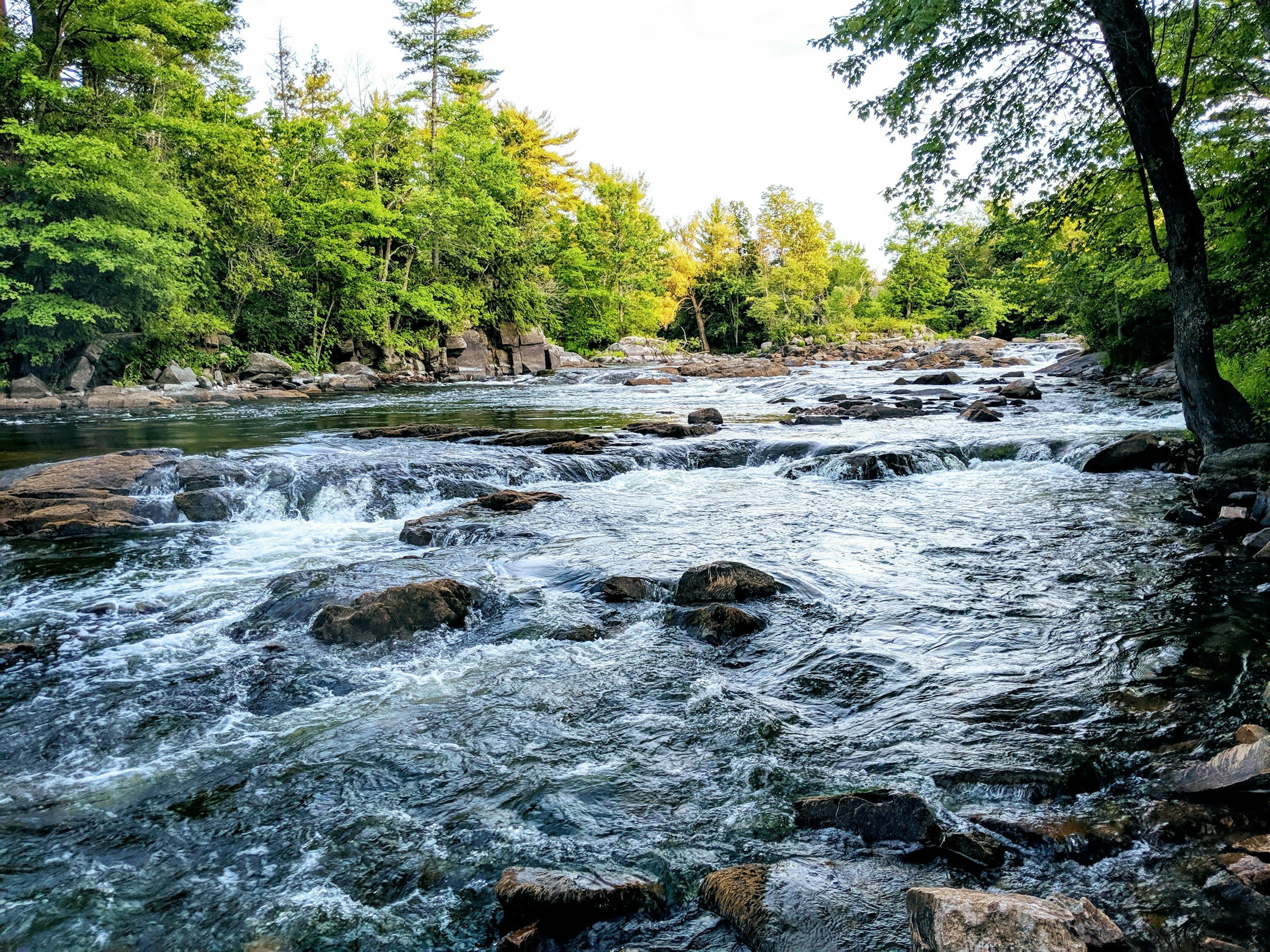
The Healing Journey: The River Was Never Trying to Drown You
How counseling helps transform pain, trauma, and life’s challenges into growth, wisdom, and healing

Healing is not about changing your story, it’s about changing your relationship to it. Discover how counseling can help transform pain, trauma, and life’s challenges into growth, wisdom, and lasting emotional healing.
Let’s climb into a raft and set out upon the river of your life.
Not the river others have seen from the shore.
Not the version of your story told through photographs, accomplishments, and milestones.
But the river that has carried you through the quiet places, the one that knows every tear, every wound, every triumph, and every breath you thought might be your last.
Together, we will follow its winding path.
We will come upon the boulders that have always lived beneath the surface. The ones you have known not by sight, but by impact. The ones that have bruised your spirit, scraped your heart, and sometimes overturned everything you thought was certain.
Some of these boulders were placed there long before you understood their shape.
Some were carried into your river by storms you never chose.
Some have held you captive for so long that they began to feel like part of the landscape.
There may be stretches where the water barely moves. Places where life feels suspended, stagnant, as though the river itself forgot where it was going. Places where you have drifted, exhausted from fighting currents you could not see.
And then there are the rapids.
The seasons when the water roared so fiercely that survival became the only destination. Moments when fear, grief, loss, betrayal, or pain swept through like a flood, leaving you clinging to whatever could keep you afloat.
There are whirlpools, too.
Those sacred and difficult places where old wounds pull us beneath the surface. Where time folds in on itself. Where we find ourselves reliving what we thought had long since passed.
They take us down.
And sometimes they hold us there.
Until, at last, we are released — breaking through the surface, breathless and disoriented, washing ashore wondering if we have the strength to continue.
Wondering if we can trust the water again.
Wondering if we even want to.
And yet, somehow, the river keeps singing.
Beneath the noise of the rapids.
Beneath the ache of the journey.
Beneath every scar and every story.
It calls us forward.
Not because the river is without danger, but because healing is not found by standing safely on the shore.
Healing is found in learning the language of the water.
In understanding the currents that shaped us.
In honoring the places where we were wounded.
And in discovering that healing is not the act of changing your story.
It is the act of changing your relationship to the story, until it no longer lives within you as a wound — but as wisdom.
The river still remembers every storm it has weathered.
Every bend.
Every rapid.
Every place where the waters ran dark and deep.
But those places no longer hold the same power.
What once felt like a force determined to pull you under becomes a source of understanding.
What once felt like brokenness becomes evidence of your becoming.
What once felt like an ending becomes part of the map that guides you home.
So let us take this journey together.
With curiosity instead of judgment.
With courage instead of shame.
With compassion for every version of you that did whatever was necessary to survive.
We will navigate each bend as it comes.
We will sit beside the places where the river narrowed.
We will listen to the stories carried in the current.
And one by one, we will meet the boulders.
Not to fight them.
Not to curse them.
But to understand them.
Because when we understand them, they no longer control the course of the river.
And as the waters begin to clear, you may discover something that has been there all along:
The river was never trying to drown you.
It was teaching you.
Shaping you.
Calling you toward yourself.
The wisdom gathered from every rapid, every whirlpool, every boulder becomes part of the current that carries you forward.
The river remembers.
But it no longer defines.
And somewhere along the journey, you realize you are no longer merely surviving the river.
You have become its navigator.
You have become its witness.
And you have become its wisdom.
Healing begins with understanding.
Your story matters. Your experiences shaped you, but they do not have to define you.
Why EMDR Therapy?
Why EMDR Therapy?
How EMDR Helps Heal Trauma, Anxiety, and the Patterns That Shape Our Lives
Healing is not about erasing the past. It is about helping the past find its proper place so it no longer dictates how we experience ourselves, our relationships, and our lives today.
Early in my career, I was trained in Cognitive Behavioral Therapy (CBT), an approach that offered valuable tools and strategies for helping clients manage symptoms and create positive change.
Yet over time, I found myself wanting something more — not only for myself as a therapist, but for the people who entrusted me with their healing journeys.
Many of my clients were not looking for help with only what was visible on the surface. They were not interested in simply managing symptoms or changing thoughts.
They wanted to understand the deeper currents beneath their struggles.
They wanted to dive into the depths of the big blue — the place where deeper pain lives.
Understanding the Deeper Layers of Healing
This deeper pain is often difficult to access.
Sometimes it exists outside of conscious awareness.
It resides in the implicit memories we carry from early childhood, in attachment experiences, in the messages we received about ourselves, and in our earliest relationships, movements, and connections.
These experiences become woven into the fabric of who we are and how we navigate the world.
Long before we have words for our experiences, our nervous systems are learning.
We learn whether the world feels safe.
Whether we are worthy of love.
Whether our needs matter.
Whether we can trust others.
These early patterns often continue shaping our relationships, emotional responses, and sense of self well into adulthood.
Discovering EMDR
When I discovered EMDR therapy, I found an approach that could reach these deeper layers.
EMDR offered a way to access and heal experiences that traditional talk therapy sometimes struggles to reach.
Rather than simply helping clients understand their pain, EMDR helps them transform it.
I was fortunate to be among the first clinicians trained in EMDR in Northwest Ohio, and over the years I have had the privilege of watching both the field and my understanding of healing continue to evolve.
EMDR was my first step into understanding transformational change at a deeper level.
When Pain Becomes Quiet
As I continued my work with clients, I began witnessing something remarkable.
People were not simply learning to cope with their pain.
They were changing the way they carried it.
The pain itself was no longer organizing their lives from beneath the surface.
I watched clients transform experiences that once felt overwhelming — not by forgetting them, but by processing them so completely that they related to them differently.
The healing seemed to move from the inside out:
From the body.
Through emotions.
Into the thoughts and beliefs they held about themselves and the world.
What fascinated me most was the somatic shift.
Clients would often say:
“I know it happened, but it does not feel the same anymore.”
The memory remained, but the charge was gone.
Their bodies no longer reacted as if the experience were happening in the present moment.
The pain had become quiet.
Healing Beyond Thoughts
When people think about what happened, they are no longer hijacked by it.
The knot in the stomach loosens.
The tightness in the chest softens.
The nervous system no longer sounds the alarm.
The experience becomes part of their story rather than the force that defines it.
This is what drew me so deeply to EMDR.
It demonstrated that healing is not simply about changing thoughts.
Real transformation occurs when the nervous system, emotions, body, and mind are all invited into the healing process.
The goal is not to erase the past.
The goal is to help the past find its proper place.
When pain becomes quiet in the body, something extraordinary becomes possible.
We are finally free to live in the present rather than continually reacting to the past.
Supporting the Growth of EMDR Therapy
As my confidence in EMDR grew and I witnessed its impact in the lives of my clients, I felt called to contribute to the growth of the profession itself.
I dedicated a significant portion of my professional life to helping other clinicians learn and develop competence in EMDR therapy.
Becoming an EMDRIA Approved Consultant allowed me to provide consultation to therapists working toward EMDR Certification and continued growth in trauma-informed care.
I continue to serve as a Facilitator for Trauma Recovery HAP, supporting the training and development of clinicians committed to providing effective trauma treatment in their communities.
Through consultation and training, I have had the opportunity to support therapists as they learn not only the EMDR protocol itself, but also the importance of safety, attunement, and trust within the therapeutic relationship.
The Stories Beneath Our Struggles
Today, EMDR remains a meaningful part of my practice.
Not simply as a therapeutic approach, but as a way of understanding people and their stories.
Again and again, I have witnessed how experiences from long ago continue to echo into the present.
Many clients come to therapy focused on anxiety, depression, relationship struggles, grief, stress, or feeling stuck.
While these challenges are real in the present, they are often connected to experiences that occurred much earlier in life.
Sometimes those experiences are obvious.
Other times they exist outside of conscious awareness, embedded in the nervous system, attachment patterns, and implicit memories that shape how we experience ourselves and the world.
EMDR has taught me to listen for these deeper connections.
When we understand how earlier experiences influence present reactions, we can begin approaching ourselves with greater compassion and curiosity.
Symptoms that once felt confusing begin to make sense.
Protective strategies that developed long ago can be honored for the role they played while no longer being needed in the same way.
Healing is not about blaming the past.
It is about understanding it.
Finding the Right EMDR Therapist
EMDR is a powerful therapy, and with that power comes the responsibility to use it thoughtfully, skillfully, and with respect for each person’s unique history and nervous system.
Not every EMDR experience is the same.
Effective EMDR requires more than following a protocol.
It requires careful assessment, preparation, a strong therapeutic relationship, and an understanding of trauma, attachment, and nervous system regulation.
Healing cannot be rushed.
If you are seeking EMDR therapy, look for a therapist who is EMDR Certified or actively engaged in ongoing consultation and continuing education.
The best EMDR therapists understand that learning never ends.
EMDR and Lasting Transformation
EMDR, when practiced with skill, patience, and attunement, remains one of the most powerful approaches I have encountered in more than two decades of clinical work.
I have witnessed individuals move from surviving to truly living.
I have seen people find freedom from old wounds, develop deeper connections with themselves and others, and discover renewed possibilities.
That is why I continue to believe in this work.
Not because it is a quick fix, but because I have seen what becomes possible when healing is approached with wisdom, compassion, and care.
If you are wondering whether EMDR therapy might be right for you, I welcome the opportunity to talk with you about your goals, your history, and what healing could look like in your life.